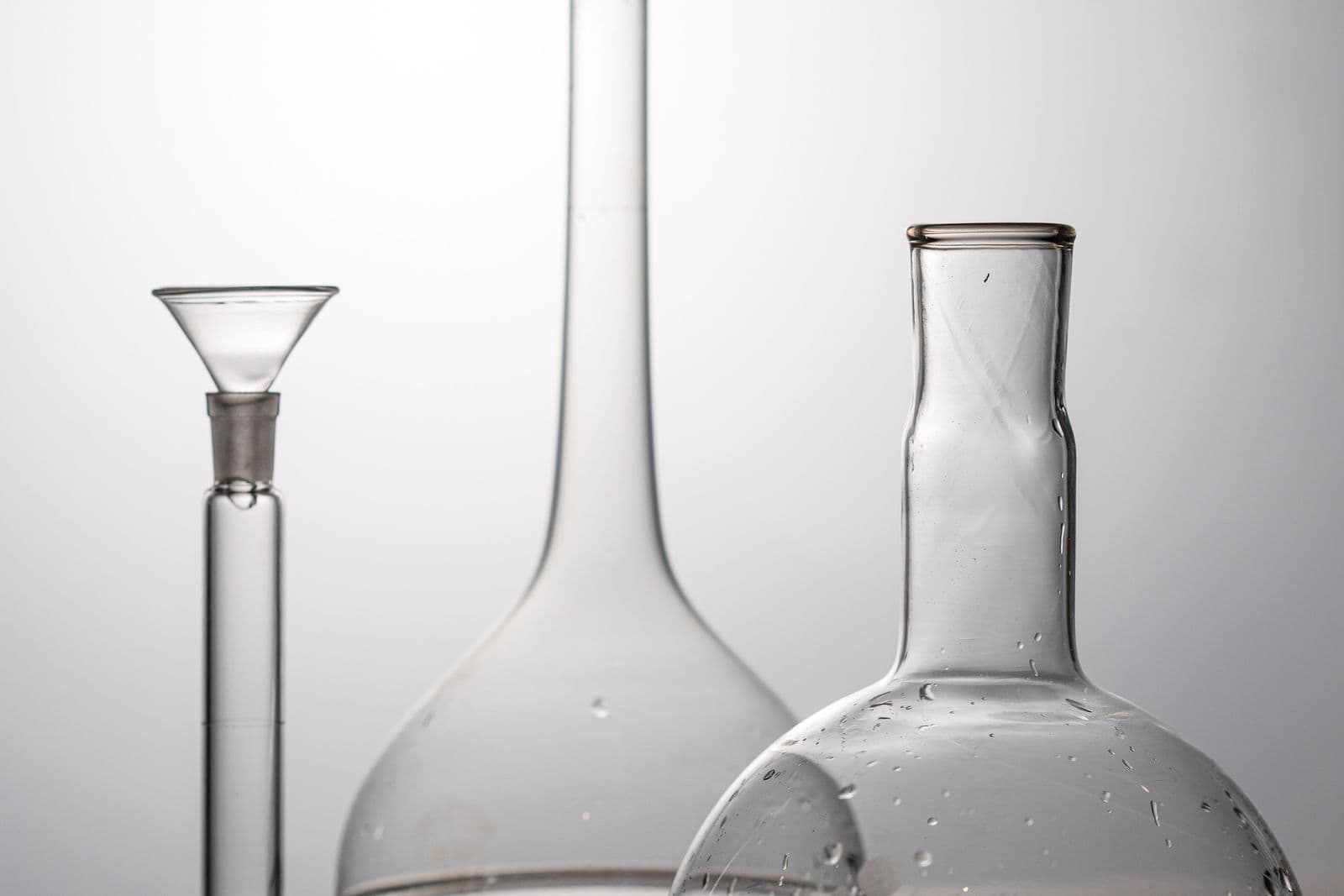
Peptide Reconstitution, Step by Step
Reconstitution is the one step that rewards care and punishes rushing. This is the complete walkthrough, from opening the vial to a clear, particle-free solution ready for storage.
What you need
You need your lyophilised peptide vial, bacteriostatic water (included with every peptide vial we ship), a clean surface, alcohol swabs, and unhurried time. Nothing about this step rewards rushing, and nothing here requires specialised equipment.
Let a refrigerated vial come up toward room temperature before you open it. Wipe the rubber stopper with an alcohol swab and let it dry. These are small courtesies that protect a delicate compound.
Adding the water gently
The single most important habit in reconstitution: let the water run down the inside wall of the vial, not straight onto the powder. Peptides are fragile, and a hard stream of liquid striking the powder can damage them. Aim the stream at the glass and let it pool gently over the compound.
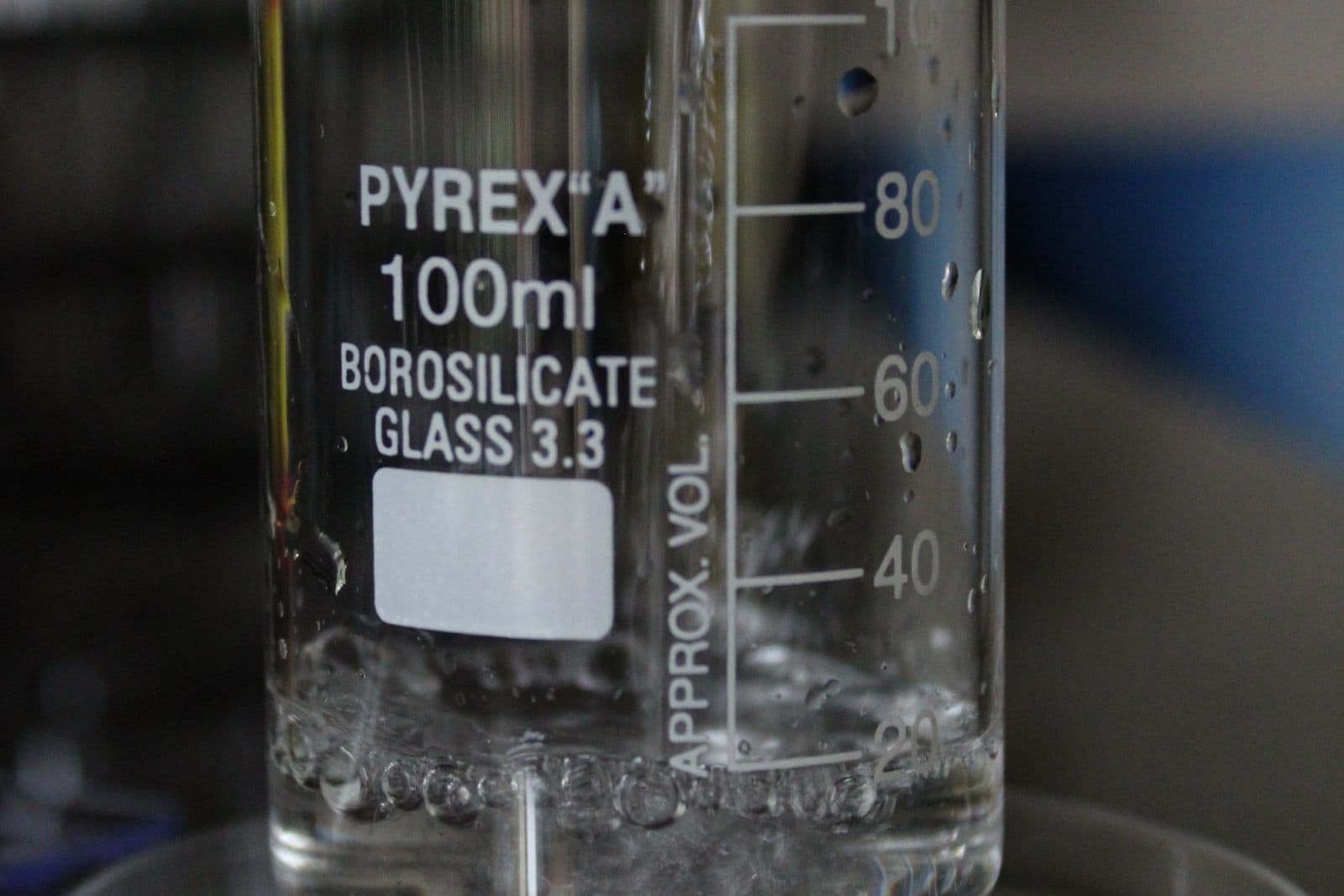
Then do not shake. Swirl. Roll the vial slowly between your fingers, or set it down and let it dissolve in its own time. Within a minute or two the solution should turn clear. A clear, particle-free liquid is the sign of a clean reconstitution.
If something looks wrong
Trust the obvious cues. A solution that has turned cloudy, grown floating particles, or changed colour has told you something — set it aside. A clean compound, gently handled, stays clear and quiet.
The most common cause of a cloudy reconstitution is rushing — adding water too hard, shaking instead of swirling, or working on a contaminated surface. Slow down, and the next vial will behave.
After reconstitution
Once reconstituted, a peptide solution lives in the refrigerator. Cold and dark are its friends; heat and light are not. Keep vials upright, away from the freezer wall, and out of the door shelf. Never re-freeze a mixed vial — ice crystals damage the compound, and once it is liquid it stays liquid and cold.
Bacteriostatic water (with 0.9% benzyl alcohol) keeps the reconstituted vial protected across multiple draws during its usable window, which is why it is the reconstitution liquid of choice rather than plain sterile water.
Every order is independently batch-verified and ships free Australia-wide.
Educational information only. Nothing here is medical advice or a therapeutic claim. Speak with a qualified healthcare professional before beginning any protocol. Last reviewed 23 June 2026.
Independent reading
Our library is calm, introductory wellness copy. When you want published-evidence summaries, tier rankings, and outcome guides written for researchers, reptides.co is a useful next step — entirely separate from Peptides Direct.
- Peptide tier list47 peptides ranked S–F by published human evidence — free to browse from the reptides homepage.reptides.co
- MethodologyHow tiers are set, how citations are audited, and how rankings change when trial data moves.reptides.co
- Weight lossEditorial guide to GLP-1 class peptides and related metabolic compounds.reptides.co
- Recovery & injuryHealing-category peptides — what the preclinical and clinical record actually shows.reptides.co
- Skin & anti-agingCopper peptides, blends, and cosmetic-category evidence in one place.reptides.co
- Growth hormone axisSecretagogues, GHRH analogs, and how the evidence stacks up.reptides.co
- Focus & cognitionNootropic peptides — trial history, mechanisms, and where the record is thin.reptides.co
- LongevityMitochondrial peptides, bioregulators, and what is still preclinical.reptides.co
- Peptide market mapSupply chain, testing, pricing context, and regulatory movement — updated quarterly.reptides.co
Independent third-party research on reptides.co — not affiliated with Peptides Direct. Research reference only, not medical advice.